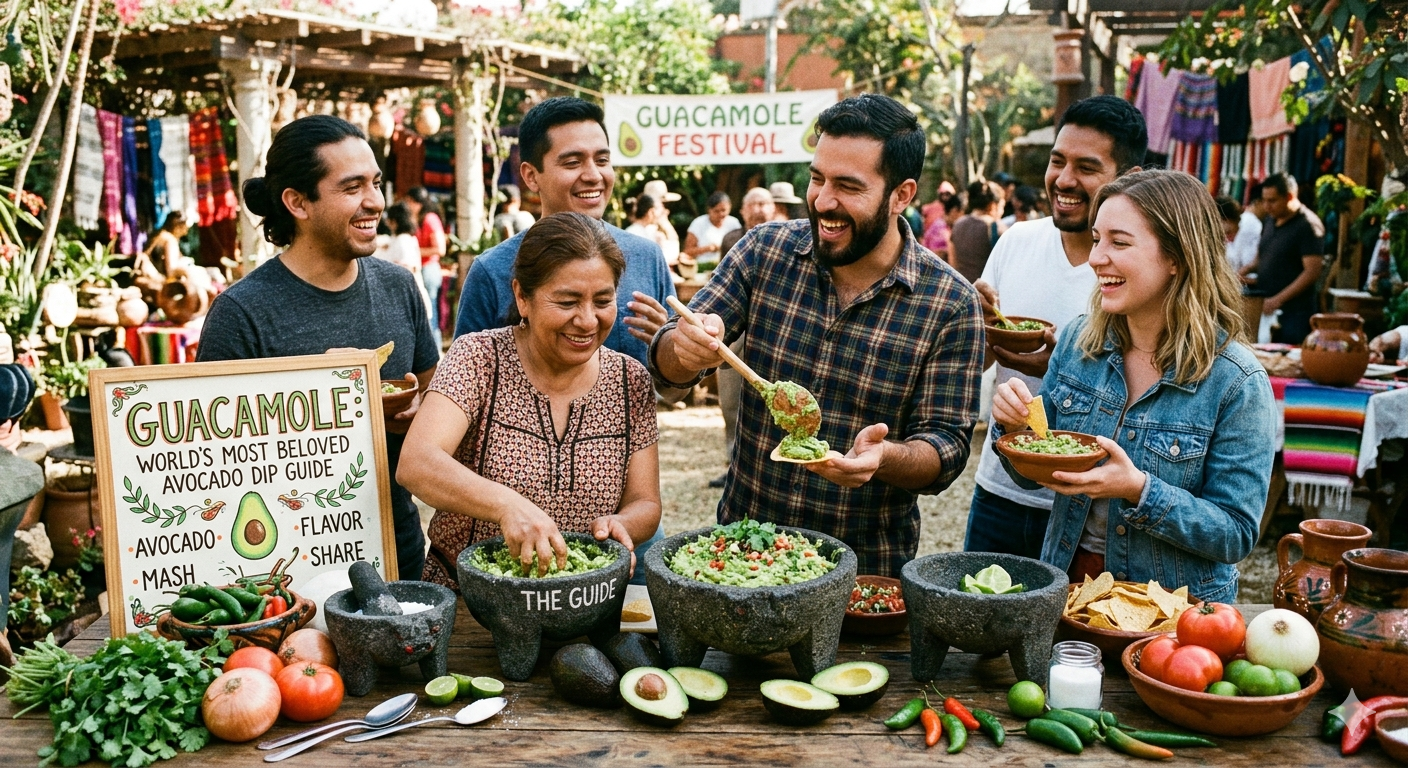
Few foods have made the journey from ancient indigenous tradition to global cultural phenomenon as gracefully as guacamole. Known in Greek as γουακαμε, guacamole is the creamy, rich avocado-based dip that has become one of the most recognizable and beloved condiments on the planet. From its origins among the Aztecs of pre-colonial Mexico to its current status as a staple of restaurants, home kitchens, and social gatherings worldwide, guacamole has earned its fame honestly and completely.
This article covers everything you need to know about guacamole, from its fascinating history and cultural meaning to the principles of making an excellent version at home, the endless variations that different traditions have developed, and the nutritional case for eating it often and without guilt.
Table of Contents
The Origins and History of Guacamole
Aztec Roots
Guacamole traces its origins to the Aztec civilization of central Mexico, where the avocado, known in Nahuatl as ahuacatl, was cultivated and consumed for centuries before the arrival of Spanish colonizers. The Aztec preparation that became guacamole combined mashed avocado with tomato and chili, creating a condiment that was both nutritionally valuable and deeply flavorful.
The word guacamole itself derives from the Nahuatl word ahuacamolli, which combines ahuacatl, meaning avocado, and molli, meaning sauce.
Colonial Transformation and Global Spread
When Spanish colonizers encountered guacamole in Mexico in the sixteenth century, they recognized its appeal immediately. Spanish traders and missionaries carried knowledge of the avocado and its preparations back to Europe, and from there the avocado and its associated culinary traditions began their long journey toward global recognition.
The twentieth century saw guacamole’s most dramatic expansion. As Mexican food gained international popularity, particularly in North America, guacamole traveled with it, eventually becoming a fixture in restaurants from London to Tokyo.
What Makes a Great Guacamole?
Starting With the Right Avocado
The quality of guacamole begins entirely with the quality of the avocado. The Hass variety is the standard for guacamole production worldwide, prized for its rich, buttery flavor, high oil content, and the way its flesh mashes into a perfectly textured dip.
The Classic Ingredient List
A traditional Mexican guacamole is remarkably simple:
- Ripe Hass avocados as the base
- Fresh lime juice for brightness and to prevent browning
- White or red onion, finely chopped, for texture and sharpness
- Fresh cilantro for herbal freshness
- Serrano or jalapeño chili for heat
- Fine sea salt to pull all the flavors together
- Ripe tomato, deseeded and diced, in many regional versions
Technique Matters
How you mash the avocado determines the texture of the guacamole. Traditional preparation uses a molcajete, the Mexican mortar and pestle carved from volcanic stone, which produces a texture that is simultaneously smooth and chunky in a way that is impossible to replicate with a fork alone.
For those who want to explore the science behind avocado ripening, flavor development, and the culinary chemistry of guacamole, Serious Eats offers meticulously researched food science articles on guacamole technique, avocado selection, and the variables that separate a good version from a great one.
Regional and International Variations of Guacamole
Mexican Regional Variations
Even within Mexico, guacamole varies significantly by region. In Oaxaca, chapulines, toasted grasshoppers, are sometimes folded into guacamole, adding a nutty, salty crunch that sounds alarming to the uninitiated but tastes remarkable. In the Yucatan, sour orange juice replaces lime.
International Adaptations
As guacamole has traveled the world, it has picked up local ingredients and influences. Greek preparations of γουακαμε often incorporate feta cheese or a splash of olive oil. Middle Eastern versions may add a touch of sumac or fresh herbs common to that cuisine.
The Nutritional Value of Guacamole
Healthy Fats
Avocados are one of the richest plant sources of monounsaturated fat, particularly oleic acid, the same healthy fat found in olive oil. These fats support cardiovascular health, improve the absorption of fat-soluble vitamins, and contribute to the satisfying richness that makes guacamole so appealing.
Vitamins and Minerals
Guacamole provides meaningful amounts of potassium, which many diets lack, along with folate, vitamin K, vitamin C, and vitamin B6. The addition of tomato, lime, and fresh herbs increases the vitamin C content further.
Fiber Content
Avocados are a good source of dietary fiber, and guacamole made with chunky vegetables adds even more. Fiber supports digestive health, contributes to satiety, and plays an important role in maintaining stable blood sugar levels.
Tips for Storing and Serving Guacamole
- Make guacamole as close to serving time as possible, since it oxidizes and browns quickly once exposed to air
- If you must make it ahead, press plastic wrap directly onto the surface to minimize air exposure
- The lime pit trick, placing the avocado pit in the guacamole, has limited effect but does not hurt
- Serve at room temperature rather than cold, as chill dulls the flavors significantly
- Use warm corn tortilla chips rather than cold or flavored chips to let the guacamole shine
FAQs
Why does guacamole turn brown so quickly?
Browning in guacamole is caused by oxidation, the same process that turns a cut apple brown. The enzyme polyphenol oxidase in avocado reacts with oxygen in the air to produce brown pigments. Lime juice slows this process, and minimizing air exposure is the most effective preservation strategy.
Can guacamole be frozen?
Yes. Guacamole freezes reasonably well if made without tomato and dairy. Freeze in small portions in airtight containers, leaving minimal headspace. Thaw in the refrigerator and stir before serving, adding fresh lime juice to refresh the flavor.
Is guacamole keto-friendly?
Yes. Guacamole is naturally low in carbohydrates and high in healthy fats, making it well-suited to ketogenic and low-carbohydrate dietary approaches. Use low-carb dippers like cucumber slices, celery, or pork rinds if avoiding corn chips.
What is the difference between guacamole and avocado dip?
Traditional guacamole is made with specific ingredients in particular proportions and has its roots in Aztec culinary tradition. Avocado dip is a broader category that can include preparations with additional ingredients or different flavour profiles. Guacamole is a specific, defined preparation within the wider category of avocado dips.