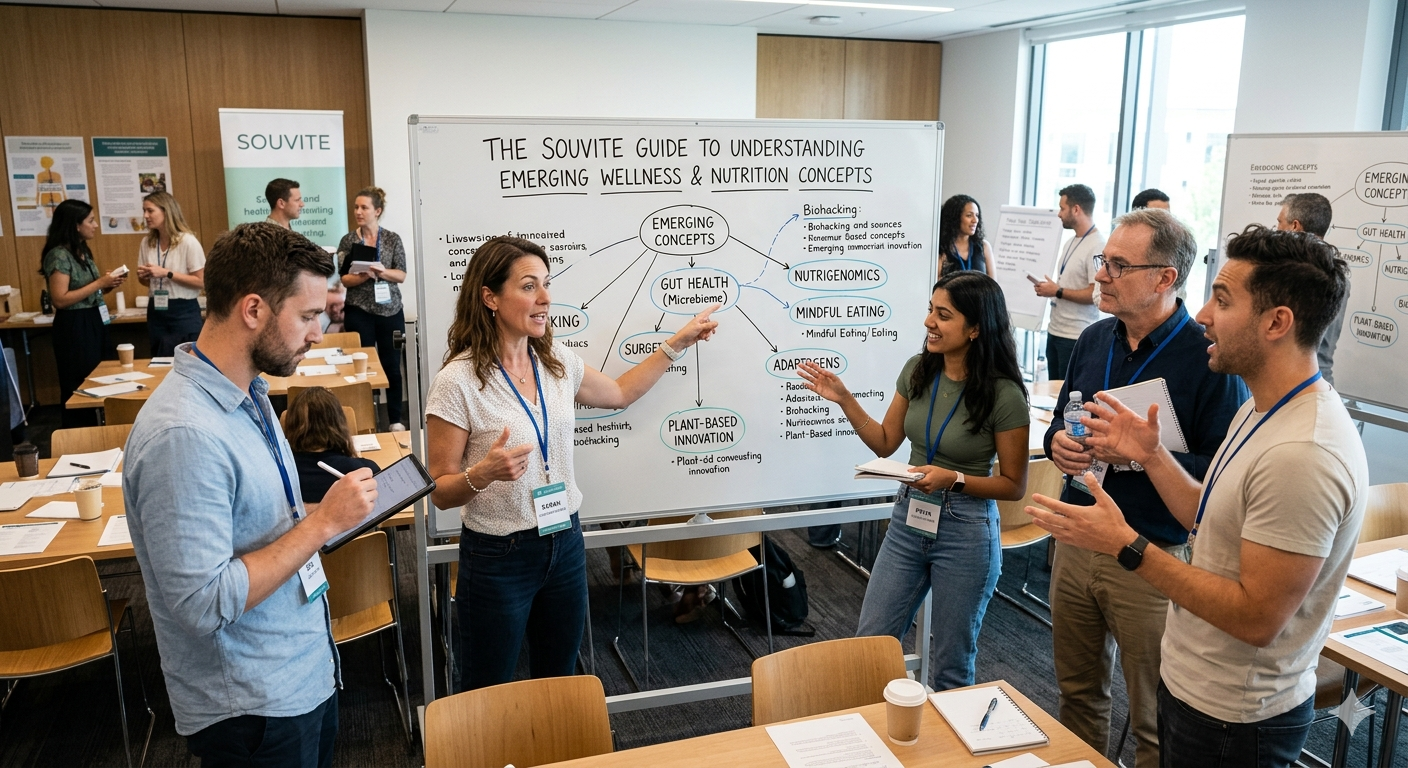
New concepts in health and wellness emerge regularly, and not all of them deserve equal attention. Some are marketing language dressed up as science, while others capture something genuinely useful about how we might live better. Souvite sits in the category of concepts worth understanding carefully, a term that has been gaining traction in wellness and nutrition communities as a way of describing a particular approach to nourishment, recovery, and physical wellbeing.
This article explores souvite in depth, looking at what the concept means, where it comes from, how practitioners apply it, and what the evidence says about its core principles.
Table of Contents
What Is Souvite?
Souvite refers to a holistic nutritional and lifestyle approach centered on the idea that genuine wellbeing comes from the sustained, intentional nourishment of the body using whole, bioavailable nutrients combined with deliberate recovery practices. The term draws together ideas from nutritional science, sports recovery, and functional medicine into a single coherent framework.
At its heart, souvite is about quality over quantity in nutrition, sustainability over intensity in physical practice, and recovery as an active rather than passive process.
The Core Principles of Souvite
1. Nutrient Bioavailability Over Caloric Focus
One of the foundational ideas in souvite is that the nutritional value of food is not primarily a question of calories but of bioavailability, the degree to which the body can actually absorb and use the nutrients a food contains. Two meals with identical caloric content can have radically different effects on the body depending on the bioavailability of their nutrients.
Souvite practitioners prioritize foods with high nutrient bioavailability, such as properly prepared whole grains, fermented foods, quality animal proteins, and nutrient-dense vegetables. Processing methods, food combinations, and preparation techniques that enhance absorption are central concerns within the souvite approach.
2. Active Recovery as a Practice
Souvite places unusual emphasis on recovery, treating it not as the absence of activity but as a deliberate practice that requires as much intentionality as exercise or nutrition. This includes sleep quality, stress management, active recovery movement such as walking and gentle stretching, and the timing of nutrient intake relative to physical exertion.
3. Individual Responsiveness
A core tenet of souvite is that nutritional and lifestyle recommendations must be adapted to individual biochemistry, lifestyle, and goals rather than applied as universal prescriptions. What works optimally for one person may be ineffective or even counterproductive for another, and genuine souvite practice involves ongoing observation and adjustment.
4. Sustainable Consistency Over Extreme Intervention
Souvite is explicitly critical of extreme dietary and fitness interventions, not because they cannot produce short-term results, but because they are rarely sustainable and often produce rebound effects that leave practitioners worse off than when they started. The souvite approach favors modest, consistent practices that can be maintained indefinitely over dramatic changes that burn out within weeks.
Souvite and Nutritional Science
Several of souvite’s core principles align closely with established findings in nutritional science and sports medicine. The emphasis on nutrient bioavailability, for example, connects to well-documented research on the effects of food preparation on nutrient absorption.
For those interested in the research underpinning principles like nutrient bioavailability and recovery science that inform the souvite approach, the Harvard T.H. Chan School of Public Health provides evidence-based nutritional information that offers valuable context for understanding the scientific foundations behind modern wellness frameworks.
Practical Application of Souvite Principles
In Daily Nutrition
Applying souvite principles to daily eating means moving away from processed, low-bioavailability foods and toward whole, minimally processed options that the body can use effectively. It means paying attention to food preparation, considering whether cooking methods preserve or degrade specific nutrients, and being thoughtful about food combinations that enhance or inhibit absorption.
- Prioritize whole food sources over supplements where possible
- Use preparation methods that enhance nutrient bioavailability, such as soaking legumes and fermenting grains
- Time protein and carbohydrate intake relative to physical activity for better utilization
- Incorporate a diverse range of vegetables to support micronutrient breadth
- Give digestive health serious attention through probiotic and prebiotic foods
In Physical Practice
Souvite applied to physical practice means resisting the cultural pressure to train harder and longer as the default response to fitness goals. Instead, it means training with intention, recovering fully between sessions, and building progressive capacity over time rather than exhausting reserves in pursuit of rapid results.
In Sleep and Recovery
Sleep within the souvite framework is not simply rest but the primary window during which physical and cognitive repair occurs. Souvite practitioners treat sleep quality as seriously as nutrition quality, addressing sleep environment, timing, and pre-sleep routines as deliberate health practices.
Who Benefits Most From the Souvite Approach?
- Athletes in recovery phases who need to optimize adaptation between training sessions
- People returning from illness or injury who need a systematic approach to rebuilding physical capacity
- Individuals experiencing chronic fatigue or low energy who have not found answers in conventional approaches
- Health-conscious adults who want a sustainable, science-informed framework rather than the latest dietary trend
- People who have experience with extreme dietary approaches and are looking for a more balanced alternative
Frequently Asked Questions About Souvite
Is souvite a specific diet plan
No. Souvite is better described as a framework or philosophy than a specific diet plan. It does not prescribe exact meals or macronutrient ratios. Instead, it provides principles that individuals adapt to their own needs, preferences, and contexts.
How is souvite different from clean eating
While both approaches emphasize whole foods and minimizing processed ingredients, souvite goes further in its emphasis on bioavailability, recovery, and individual responsiveness. Clean eating is primarily a food quality concept, while souvite integrates nutrition with recovery, sleep, and lifestyle practices as a unified system.
Does souvite require expensive foods or supplements
No. Souvite’s emphasis on whole foods and preparation methods does not require expensive specialty products. Many of the highest bioavailability foods, including legumes, eggs, leafy greens, and traditionally prepared grains, are among the most economical options available.
Can souvite principles be applied by vegetarians and vegans
Yes. The core souvite principles of bioavailability, recovery, and sustainable consistency apply regardless of dietary pattern. Vegetarian and vegan practitioners pay particular attention to preparation methods that enhance the bioavailability of plant-based protein and mineral sources.