Education is the foundation upon which societies build their future, and in Croatia, the institution known as Osnovno Uciliste — or primary school — sits at the very heart of that foundation. For every Croatian child, Osnovno Uciliste is where the journey of formal learning begins, where curiosity is nurtured, and where the skills necessary for life and further study are first developed. Understanding this system means understanding one of Croatia’s most important social investments.
Table of Contents
What Does Osnovno Uciliste Mean?
The term Osnovno Uciliste comes directly from the Croatian language. Osnovno translates as basic or elementary, and Uciliste means school or place of learning. Together, the phrase describes the compulsory primary education institutions that serve children from approximately age six or seven through age fourteen, covering eight years of structured schooling organized into two cycles of four years each.
This structure is consistent with broader European educational frameworks. The compulsory nature of the program ensures that every child in Croatia, regardless of background or geography, receives a foundational education.
How the Osnovno Uciliste System Is Structured
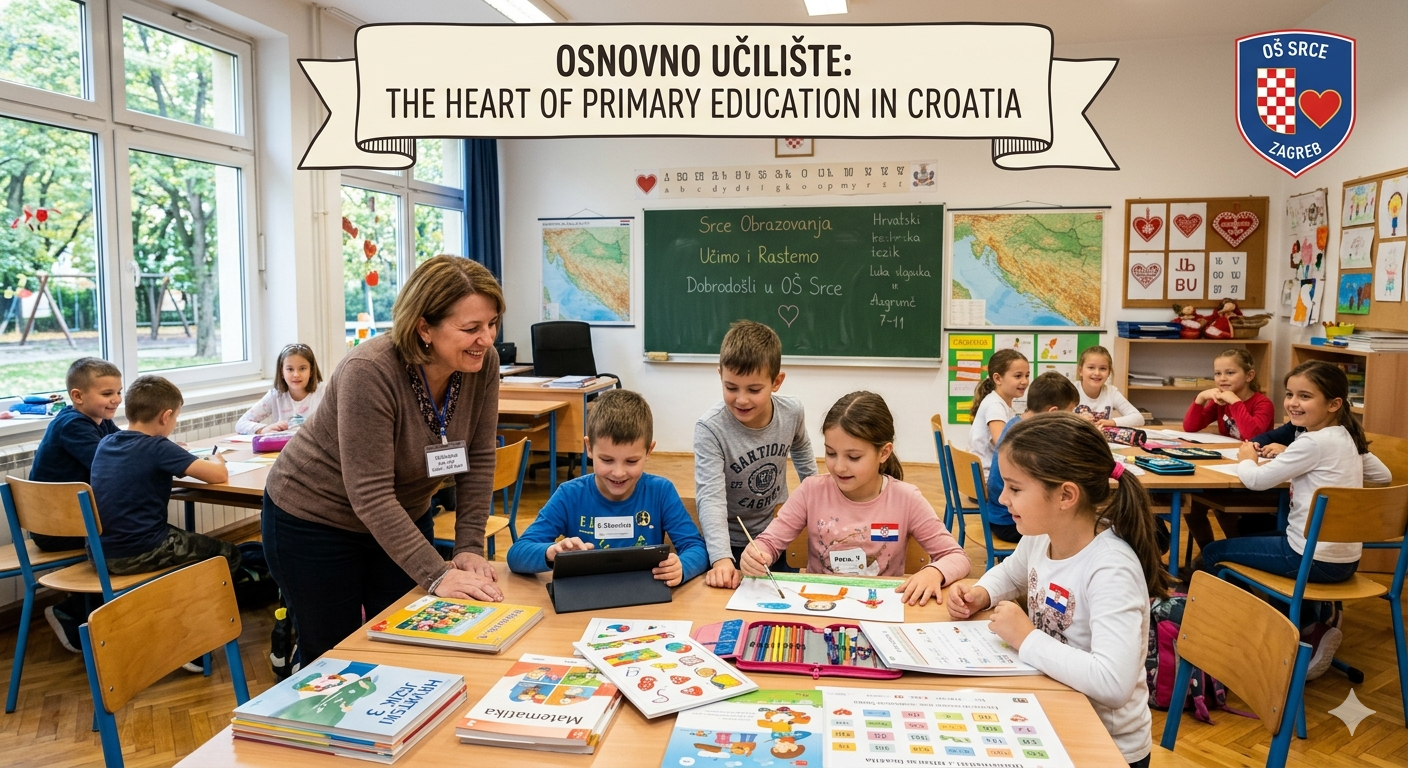
The eight-year Osnovno Uciliste program is divided into two cycles. In grades one through four, students are typically taught by a single class teacher who handles most core subjects, creating a stable and nurturing environment during the earliest years of schooling. From grade five onward, students transition to subject-specific teachers for each discipline, gradually preparing them for the more specialized demands of secondary education.
Core subjects across both cycles include Croatian language and literature, mathematics, natural and social sciences, history, geography, foreign languages, physical education, art, and music. In recent curriculum reforms, digital literacy, civic education, and critical thinking skills have been formally integrated, reflecting the changing demands of a twenty-first century education.
Teachers and Teaching Standards
The quality of any school system ultimately depends on the quality of its teachers, and Croatia invests significantly in teacher education and professional development within the Osnovno Uciliste framework. Primary school teachers are trained at Croatian universities through accredited teacher education programs and must hold recognized teaching qualifications before entering the classroom.
Ongoing professional development is strongly encouraged, with teachers regularly participating in training programs, workshops, and peer collaboration initiatives. This commitment to continuous improvement reflects a broader national recognition that effective teachers are the single most important factor in student outcomes.
Extracurricular Life and Holistic Development
Modern Osnovno Uciliste schools offer far more than academic instruction. Sports clubs, art workshops, drama groups, science competitions, and language clubs provide students with rich extracurricular experiences that develop social skills, teamwork, creativity, and confidence. Many schools also participate in European Union-funded programs that give students early exposure to international collaboration and cultural exchange, broadening their perspectives from a young age.
According to the European Commission’s Eurydice network, Croatia’s primary education model aligns well with EU standards while also reflecting the country’s own cultural and educational traditions.
Frequently Asked Questions (FAQs)
Q1: At what age do Croatian children begin Osnovno Uciliste?
Children in Croatia typically begin attending Osnovno Uciliste at age six or seven. Attendance is compulsory throughout the eight-year program, ending when students are approximately fourteen years old and ready to transition to secondary education.
Q2: Is Osnovno Uciliste free of charge?
Yes. Primary education within the Osnovno Uciliste system is fully funded by the Croatian state and is completely free for all children. There are no tuition fees at any point during the compulsory eight-year program.
Q3: What subjects are taught in Osnovno Uciliste?
Students study Croatian language and literature, mathematics, natural sciences, social studies, history, geography, foreign languages, physical education, art, and music. Recent curriculum updates have also introduced digital literacy, civic education, and elements of computational thinking across grade levels.
Q4: How does Osnovno Uciliste prepare students for secondary school?
The comprehensive eight-year program provides a strong academic and personal foundation. Upon completing grade eight, students choose between grammar schools for university preparation, vocational and technical schools, or arts schools based on their interests and academic performance.