There are certain foods that carry the weight of memory in every bite. Mantecada is one of them. Soft, buttery, fragrant with lemon and vanilla, this traditional Spanish sweet bread has been a staple of morning tables, afternoon snacks, and festive celebrations for centuries. Yet despite its long history and deep cultural roots, mantecada remains surprisingly unknown outside the Spanish-speaking world.
Whether you discovered mantecada through a Spanish grandmother’s kitchen, spotted it wrapped in colorful paper at a specialty food shop, or simply followed curiosity after hearing its name, this article will give you everything you need to understand, appreciate, and even bake this remarkable little cake.
Table of Contents
Mantecada All about
Mantecada is a traditional Spanish sweet bread or small cake made from flour, butter, eggs, sugar, and usually flavored with lemon zest or vanilla. The word mantecada derives from manteca, the Spanish word for lard or butter, which historically was the fat used to give these cakes their signature tender, moist crumb.
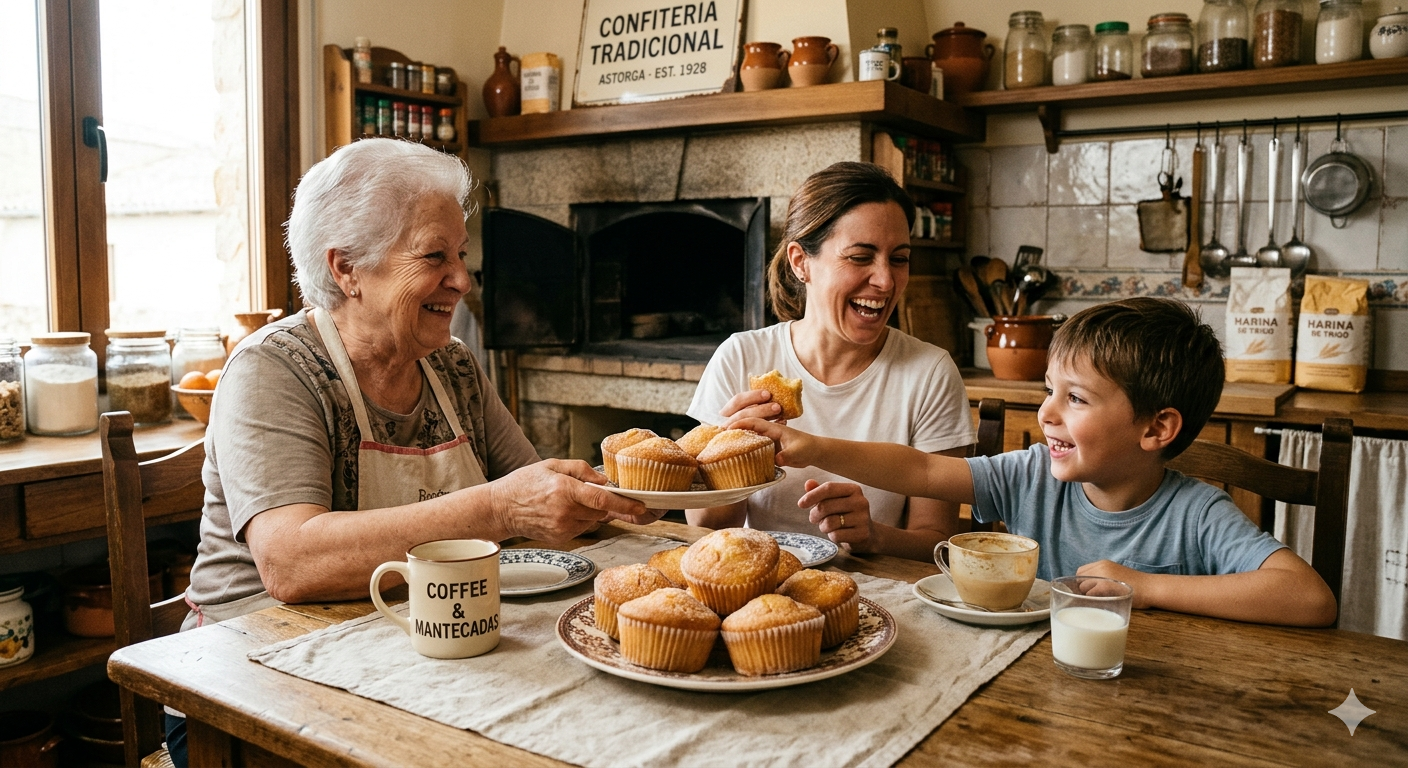
The result is a small, golden cake with a slightly domed top, a delicate crust, and an interior so soft it practically dissolves on the tongue. Mantecadas are typically baked in small paper or foil cups, giving them their characteristic shape. They are not overly sweet, which is part of their enduring appeal. They pair beautifully with coffee, tea, or a glass of warm milk, making them a versatile treat for any time of day.
The History and Origin of Mantecada
Regional Roots in Spain
The most famous mantecadas come from the town of Astorga in the Leon region of northwestern Spain. Astorga has been producing its distinctive version of the mantecada for centuries, and the recipe is so closely associated with the town that it holds a geographic indication of origin, meaning that only mantecadas made in the Astorga area following traditional recipes can officially carry that name.
However, variations of mantecada exist across much of Spain and Latin America.
Mantecada in Colonial Latin America
Spanish colonizers brought the tradition of mantecada to the Americas, where it was adapted using locally available ingredients. Over time, Latin American versions of mantecada developed their own identities.
What Makes a Good Mantecada?
The Importance of Quality Fat
Historically, mantecadas were made with lard, which contributes to an exceptionally tender and slightly flaky texture. Modern recipes almost universally substitute butter, which delivers a richer flavor while maintaining the soft crumb that defines the cake. The quality of the fat you use matters enormously. High-quality unsalted butter produces noticeably better results than cheaper alternatives.
Lemon Zest and Its Role
Lemon zest is one of the defining flavors in traditional mantecada. It cuts through the richness of the butter and adds brightness without overwhelming the delicate sweetness of the cake. Fresh lemon zest, finely grated directly from unwaxed lemons, always produces better results than dried or jarred alternatives.
The Texture Question
A proper mantecada should be:
- Moist but not wet
- Light and tender, not dense or heavy
- Slightly springy when pressed, bouncing back gently
- Golden on top with a soft, set crust
- Fragrant with butter and citrus
Traditional Mantecada Recipe Overview
If you want to explore authentic Spanish baking traditions beyond mantecada, the Basque Culinary Center offers extensive resources on traditional Iberian pastry techniques and their cultural contexts.
Core Ingredients
While recipes vary by region and family tradition, most authentic mantecadas share these base ingredients:
- All-purpose flour or fine pastry flour
- Unsalted butter, softened to room temperature
- Eggs, preferably free-range for richer color and flavor
- White sugar
- Baking powder
- Fresh lemon zest
- Vanilla extract or vanilla bean
- A small pinch of salt
The Baking Process
The process of making mantecadas is notably straightforward, which is part of its appeal as a home baking project. Butter and sugar are creamed together until light, eggs are beaten in one at a time, and the dry ingredients are folded in gently to preserve air and lightness.
Mantecada in Everyday Spanish and Latin American Culture
In Spain, mantecadas are not reserved for special occasions. They are part of the daily rhythm of life. A mantecada with a cafe con leche in the morning is a familiar comfort for millions of Spaniards.
How to Serve and Enjoy Mantecada
Classic Morning Pairing
Serve mantecadas with a strong espresso or cafe con leche. The contrast between the slightly bitter coffee and the gentle sweetness of the mantecada is one of the simple pleasures of Spanish breakfast culture.
Afternoon Snack
In the tradition of the Spanish merienda, mantecadas are ideal for the mid-afternoon snack that bridges lunch and dinner. Served with herbal tea or a glass of cold milk, they offer satisfying energy without heaviness.
Gifting and Festive Occasions
Packaged mantecadas from Astorga and other reputable producers make excellent gifts. Their long shelf life and beautiful traditional packaging make them a practical and culturally meaningful present for food lovers.
Storing Mantecadas Properly
Mantecadas keep well at room temperature for several days when stored in an airtight container. They do not need refrigeration and can actually lose some of their texture in a cold environment. For longer storage, they freeze well; simply wrap individually and thaw at room temperature when ready to enjoy.
Frequently Asked Questions About Mantecada
What is the difference between Spanish and Mexican mantecada
Spanish mantecadas, especially those from Astorga, are smaller, denser, and lemon-forward. Mexican mantecadas tend to be larger, made with oil rather than butter, and have a more pronounced vanilla flavor. Both are delicious but distinctly different in character.
Can I make mantecadas without a stand mixer
Absolutely. Mantecadas can be made entirely by hand with a mixing bowl and a wooden spoon. The key is to cream the butter and sugar thoroughly before adding the eggs, which requires some elbow grease but no special equipment.
Are mantecadas suitable for people with nut allergies
Traditional mantecada recipes contain no nuts. However, always check commercial product labels as some producers may use shared equipment or add variations that include nut products.
How long do homemade mantecadas stay fresh
Kept in an airtight container at room temperature, homemade mantecadas remain fresh and enjoyable for up to four days. They actually often improve slightly on the second day as the flavors meld.