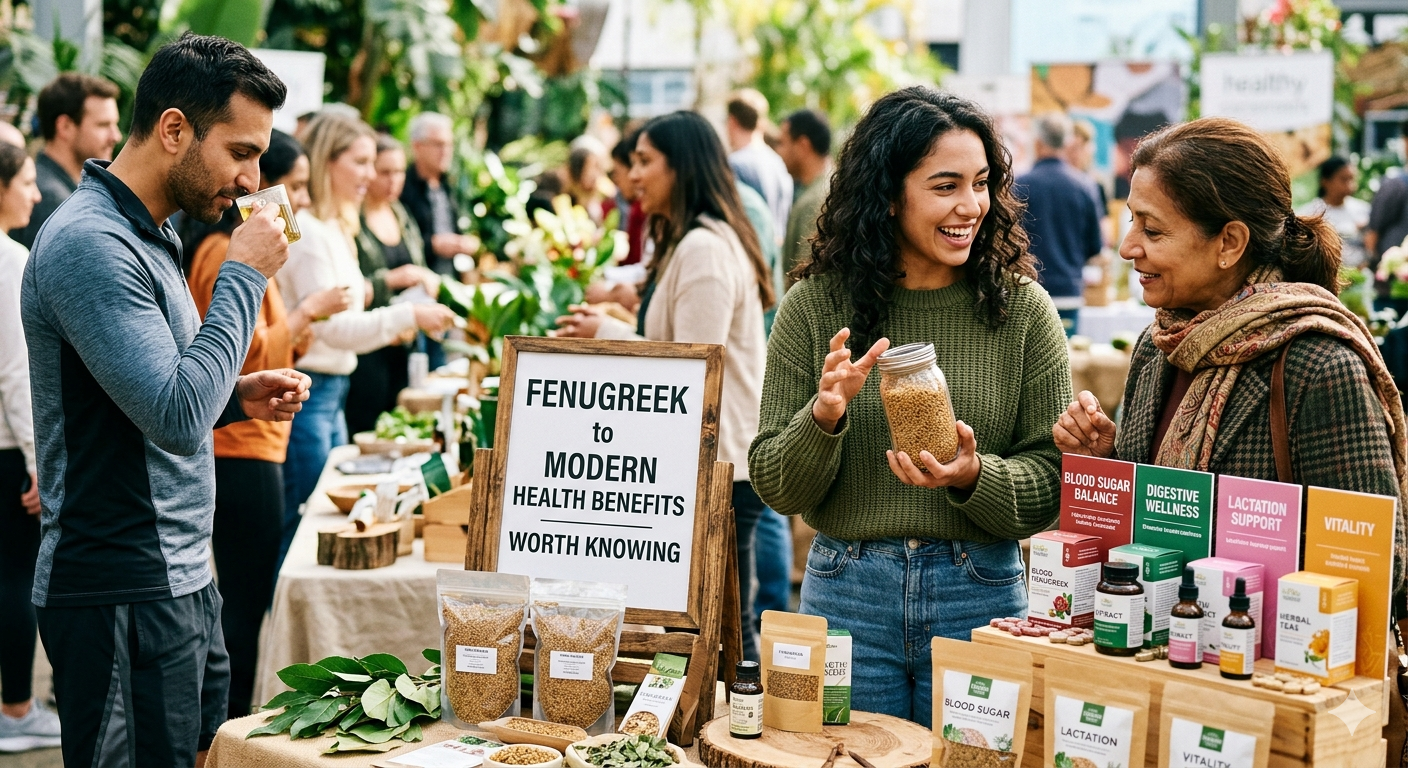
Known in Dutch as foenegriek, fenugreek is one of the oldest cultivated plants in human history and one of the most studied herbs in the modern nutritional and functional medicine literature. Used for thousands of years in cooking, traditional medicine, and agricultural practice across South Asia, the Middle East, North Africa, and the Mediterranean, fenugreek has earned its place in the modern wellness conversation through a combination of historical use and growing scientific evidence.
Whether you know foenegriek as a spice in your kitchen cabinet or have encountered it through health and supplement discussions, this article provides a thorough and honest exploration of what fenugreek is, what it has been used for, what the evidence says about its health benefits, and how to incorporate it wisely into your daily life.
Table of Contents
Fenugreek
Fenugreek, known botanically as Trigonella foenum-graecum and in Dutch as foenegriek, is an annual plant in the legume family native to the Mediterranean region and western Asia. It produces small, golden-brown seeds that are the most commonly used part of the plant, though the leaves are also used extensively as a fresh herb and dried spice, particularly in Indian cooking.
The seeds have a distinctive slightly bitter, nutty flavor with warm, maple-like undertones that make them immediately recognizable in curry blends, spice mixes, and the various traditional preparations in which fenugreek has been used for centuries.
The History of Foenegriek
Ancient Origins
Fenugreek is one of the earliest plants to have been cultivated by human beings. Archaeological evidence of fenugreek use dates to ancient Egypt, where seeds have been found in the tomb of Tutankhamun and where the plant was used medicinally and in food preservation.
In Ayurvedic medicine, the traditional health system of India, fenugreek has been used for thousands of years to support digestion, promote lactation, and address conditions that modern medicine would recognize as related to inflammation and blood sugar regulation.
Fenugreek in the Islamic Medical Tradition
Fenugreek holds a particularly significant place in Islamic medical tradition. It is among the plants mentioned in Prophetic medicine, the body of health guidance associated with the Prophet Muhammad, which speaks to its longstanding importance in the Middle Eastern and North African regions where it grows naturally.
Key Health Benefits of Foenegriek
Blood Sugar Regulation
Among the most well-studied properties of fenugreek is its effect on blood sugar levels. Multiple clinical trials have found that fenugreek seed consumption can help reduce fasting blood glucose and improve the glycemic response to meals in people with type 2 diabetes and in pre-diabetic individuals.
Supporting Lactation
Fenugreek has been used as a galactagogue, a substance that promotes breast milk production, across many traditional cultures for centuries. Some modern clinical evidence supports this traditional use, though the research is mixed and guidance from a healthcare provider is recommended for nursing mothers considering fenugreek supplementation.
Anti-Inflammatory Properties
Fenugreek contains compounds including alkaloids, flavonoids, and saponins that demonstrate anti-inflammatory activity in laboratory and animal studies. The translation of these findings to meaningful human clinical outcomes is still being researched, but the plant’s traditional use for inflammatory conditions has a plausible biochemical basis.
Testosterone and Male Health
Several studies have examined fenugreek supplementation in relation to testosterone levels and male reproductive health, with some trials finding modest positive effects. This has made fenugreek a popular ingredient in men’s health supplement formulations.
Digestive Support
Fenugreek has long been used as a digestive aid in multiple traditional medicine systems. Its fiber content supports gut motility, and its traditional use for conditions including constipation, gastritis, and appetite regulation has a reasonable empirical basis.
For readers who want to explore the clinical research on fenugreek’s health properties in more depth, the National Center for Complementary and Integrative Health provides evidence-based summaries of research on herbal supplements including fenugreek that help consumers evaluate health claims with appropriate critical thinking.
Foenegriek in the Kitchen
Indian and South Asian Cooking
Fenugreek seeds and leaves are fundamental to Indian cooking. Methi, the Hindi name for fenugreek, appears in countless dishes including methi chicken, aloo methi, and the spice blend panch phoron.
Middle Eastern and North African Use
In Egyptian cuisine, fenugreek seeds are used in breads and spice blends. In Yemen, fenugreek paste known as hilba is a staple condiment. Across North Africa, fenugreek appears in spice blends and traditional fermented preparations.
European and Dutch Context
In the Netherlands and wider Northern Europe, foenegriek is best known as an ingredient in Gouda cheese, where it contributes a distinctive flavor. It also appears in some traditional baked goods and herbal preparations.
How to Use Foenegriek Practically
- Toast whole fenugreek seeds briefly in a dry pan before using them to mellow their bitterness
- Add ground fenugreek to curry spice blends, dry rubs, and spice mixes
- Use dried fenugreek leaves as a finishing herb for curries and rice dishes
- Soak seeds overnight before consuming them directly as a traditional health practice
- Look for standardized fenugreek supplements if using it specifically for documented health benefits
Frequently Asked Questions
What does fenugreek taste like?
Fenugreek seeds have a distinctive flavor that is slightly bitter, nutty, and warming, with an underlying sweetness that some compare to maple syrup. When cooked, the bitterness softens and the warm, earthy notes become more pronounced.
Is fenugreek safe for everyone?
Fenugreek is generally safe when consumed in food amounts. People with diabetes should monitor blood sugar carefully since fenugreek can lower glucose levels. Pregnant women should avoid medicinal doses as fenugreek has traditionally been used to stimulate uterine contractions. People with allergies to legumes should exercise caution.
Where can I buy foenegriek in the Netherlands?
Fenugreek seeds and dried leaves are widely available in Dutch supermarkets, health food stores, and South Asian and Middle Eastern specialty grocery shops. It is one of the most accessible spices in the Dutch market.
How much fenugreek should I take for health benefits?
Clinical studies have used a wide range of doses. For blood sugar support, doses of 5 to 50 grams of fenugreek seed powder per day have been used in research. Consulting a healthcare provider before beginning any supplementation program is always advisable.