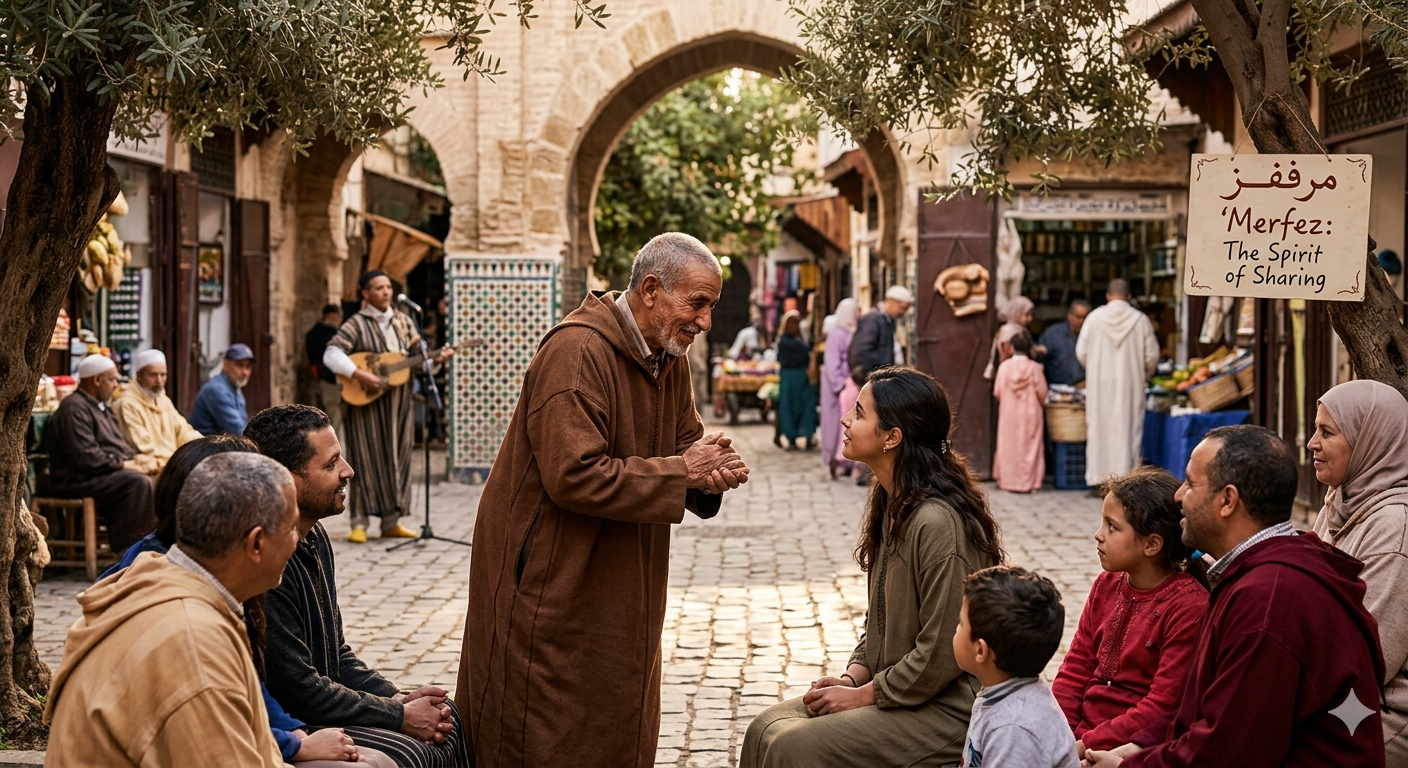
Language is full of words that carry more than their dictionary definitions suggest. Merfez is one such term, a word that exists at the intersection of regional dialect, cultural practice, and living linguistic tradition. For those unfamiliar with it, merfez may seem simply like an unusual combination of letters. For those who know it from its cultural context, it represents something specific, vivid, and genuinely interesting.
This article explores merfez in depth, examining what the term means, where it comes from, how it is used, and what it reveals about the linguistic and cultural traditions from which it emerged.
Table of Contents
What Does Merfez Mean?
Merfez is a term used in Moroccan Arabic dialect, known as Darija, to refer to a type of traditional preserved meat preparation that is closely associated with the culinary heritage of Morocco and North Africa more broadly. It describes meat, typically lamb or beef, that has been prepared through a combination of cooking and preservation techniques involving fat, spices, and traditional curing methods.
The merfez preparation results in a richly flavored, shelf-stable meat product that has historically been an important food preservation strategy in regions where refrigeration was unavailable and where the cultural emphasis on hospitality demanded that substantial, flavorful food be available for guests at any time.
The Cultural Context of Merfez
Moroccan Food Preservation Traditions
Morocco has one of the most sophisticated and historically rich food cultures in the world, shaped by Berber, Arab, Andalusian, and sub-Saharan influences over many centuries. Food preservation has always been a critical aspect of this culinary tradition, given the country’s varied climate and the practical demands of feeding extended families and honoring the Islamic tradition of generous hospitality.
Merfez sits alongside other famous Moroccan preserved food traditions including khlii, the dried and preserved meat strips used across North Africa, and preserved lemons, which have become internationally recognized as a hallmark of Moroccan flavor.
Festive and Ceremonial Significance
Merfez is particularly associated with important occasions in the Moroccan calendar, including Eid al-Adha, the feast of sacrifice when sheep are traditionally slaughtered and much of the meat must be preserved for extended use. The preparation of merfez after Eid al-Adha is a household tradition in many Moroccan families, transforming festival meat into a stored resource that provides flavor and sustenance across the weeks and months that follow.
How Merfez Is Made
The Basic Process
Traditional merfez preparation involves several stages that transform fresh meat into a preserved product with a shelf life of weeks or months:
- The meat is cut into appropriate pieces and seasoned with a complex spice blend typically including cumin, coriander, paprika, garlic, and other regional aromatics
- The seasoned meat is cooked slowly in rendered animal fat, usually sheep tail fat or beef tallow, until thoroughly cooked and beginning to confit
- The cooked meat is packed tightly into containers and covered completely with the cooking fat, which acts as a seal against air and bacteria
- The sealed preparation is stored in a cool, dark location where it keeps well for an extended period
- When ready to use, portions are extracted from the fat and incorporated into dishes
Spice Profiles and Regional Variation
Like all traditional preserved foods, merfez varies considerably between families, regions, and even individual cooks. The spice blend is one of the most personalized aspects of the preparation, with some families emphasizing warmth and heat through heavy cumin and paprika use, while others lean toward more aromatic complexity with additions of ginger, turmeric, or preserved lemon rind.
Using Merfez in Moroccan Cooking
As a Flavoring Agent
One of the primary uses of merfez in Moroccan cooking is as a flavoring agent for stews, tagines, and cooked vegetable dishes. A small amount added early in the cooking process contributes deep, spiced meaty flavor that builds the base of the dish in a way that fresh meat alone cannot replicate.
Served on Its Own
Merfez is also served as a component of the Moroccan table, alongside bread, olives, and other preserved foods as part of the extensive spread that traditional Moroccan hospitality involves. Its rich, intensely flavored character means that small amounts are sufficient and deeply satisfying.
In Eggs and Breakfast Dishes
A popular use of merfez is scrambled or fried with eggs, creating a hearty, spiced breakfast preparation that is common in Moroccan households. The fat from the merfez enriches the eggs and the spices permeate the entire dish.
For those interested in exploring the broader world of Moroccan culinary traditions that give context to preparations like merfez, Taste of Maroc provides comprehensive, authoritative coverage of Moroccan food culture, traditional recipes, and the culinary heritage from which merfez emerges.
Merfez in Modern Moroccan Life
While industrial food production and modern refrigeration have reduced the practical necessity of preserved meat preparations like merfez, the tradition has not disappeared. For many Moroccan families, making merfez after Eid al-Adha remains an important cultural practice, connecting the present to generations of shared culinary knowledge and keeping alive techniques and flavors that are part of a distinctive cultural heritage.
Frequently Asked Questions
Is merfez similar to confit?
Yes, the merfez preparation method shares significant similarities with the French confit technique, in which meat is cooked and preserved in its own fat. Both achieve preservation through submersion in rendered fat that excludes air. The primary differences are in the spicing, which in merfez reflects Moroccan flavor profiles, and in the cultural and ceremonial context of its production.
How long does merfez keep?
When properly prepared and sealed under a complete layer of fat in a cool environment, merfez can keep for several weeks to a few months. In modern practice, many households refrigerate their merfez, which significantly extends its shelf life.
What meat is used for merfez?
Lamb is the traditional and most common meat for merfez, particularly given its association with Eid al-Adha sacrifice. Beef is also used. The fattier cuts are generally preferred because the fat contributes to both the flavor and the preservation medium.
Is merfez available outside Morocco?
Merfez is produced domestically in Moroccan households and is not commonly found as a commercial product outside Morocco. It may be available in some specialty North African food shops in cities with significant Moroccan diaspora communities.