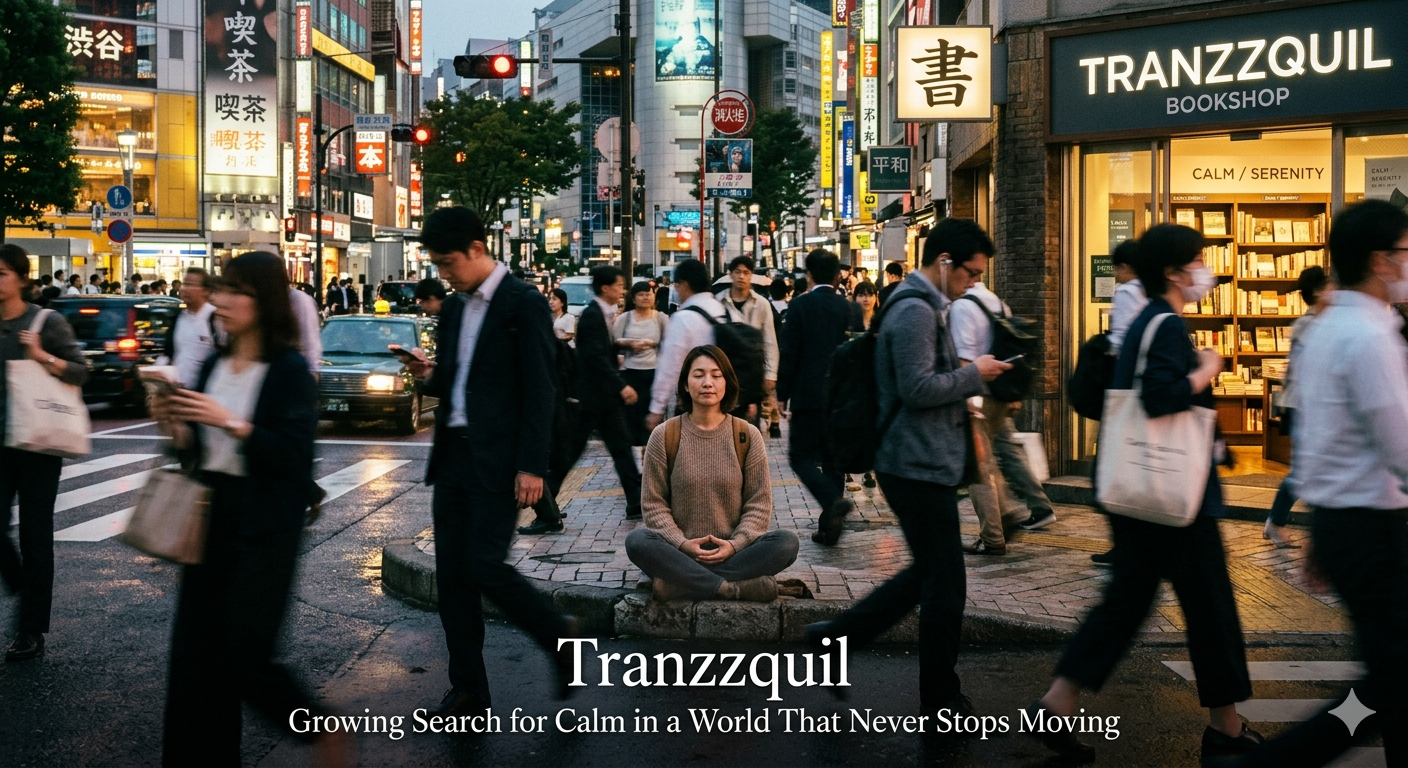
We live in a time of extraordinary noise. Notifications compete for attention from the moment we wake up. Workloads have expanded to fill every available hour. Social media creates a continuous low-level anxiety about what we are missing, what others think, and whether we are measuring up. Against this backdrop, the concept of tranzzquil has emerged in wellness communities as a way of naming something that an increasing number of people are actively seeking: genuine, deep, sustainable calm.
Tranzzquil, as a concept, points toward a quality of inner stillness and emotional balance that is not simply the absence of stress but a positive state of settled, grounded peace. It is not achieved through numbing or avoidance.
Table of Contents
What Does Tranzzquil Mean?
Tranzzquil combines the concepts of tranquility and a quality of deep, intentional calm that goes beyond relaxation into something more fundamental. Where relaxation is often temporary, a brief release from tension that does not address its source, the tranzzquil state describes a more durable equanimity rooted in genuine physiological and psychological regulation.
In wellness and mindfulness communities, tranzzquil has been adopted as shorthand for the intentional cultivation of this kind of settled inner state through practices including meditation, breathwork, nature immersion, sleep optimization, and the deliberate management of sensory environment and social inputs.
Why Tranzzquil Is So Hard to Find?
The Chronic Stress Epidemic
Modern life creates conditions that are chronically activating to the human stress response system. The human nervous system evolved to deal with acute, time-limited threats, after which recovery and rest would follow. Contemporary life presents instead a constant stream of low-grade stressors, financial pressure, social performance, information overload, and schedule demands, that keep the nervous system in a sustained state of activation without the recovery periods it needs to return to baseline.
In this context, tranzzquil is not a luxury or an indulgence. It is a physiological necessity for long-term health. The absence of regular genuine calm is associated with chronically elevated cortisol, disrupted sleep, impaired immune function, and increased risk of cardiovascular disease and mental health disorders.
Digital Saturation
Digital technology has fundamentally altered the ecology of human attention in ways that make the tranzzquil state increasingly difficult to access. Smartphones are designed to interrupt, to provide variable reward through notifications and social feedback, and to keep attention engaged. The average person checks their phone over 90 times per day.
The Pillars of Tranzzquil Practice
1. Breathwork and Nervous System Regulation
Controlled breathing is one of the most immediately effective tools for accessing the tranzzquil state. The breath is the one autonomic physiological function that can be voluntarily controlled, making it a direct lever on the nervous system. Slow, extended exhalations activate the parasympathetic nervous system, the physiological opposite of the stress response, producing measurable reductions in heart rate, muscle tension, and cortisol levels within minutes.
2. Meditation and Contemplative Practice
Regular meditation practice is among the most extensively researched interventions for developing the kind of durable inner calm associated with tranzzquil. Long-term meditators show measurable differences in brain structure and function in regions associated with emotional regulation, attention, and stress reactivity.
3. Nature Immersion
Contact with natural environments reliably produces the physiological signatures of the tranzzquil state. Reduced cortisol, lower heart rate, decreased muscle tension, and improved mood are documented effects of spending time in natural settings.
4. Sleep as Tranzzquil Foundation
No tranzzquil practice can compensate for chronic sleep inadequacy. Sleep is the physiological process during which the nervous system undergoes its primary repair and regulatory reset.
5. Sensory Environment Design
The environments we inhabit shape our nervous system states more than most people recognize. Cluttered, noisy, bright environments with constant sensory inputs maintain higher levels of neural activation.
For those seeking evidence-based resources on the science behind calm, stress regulation, and the physiological foundations of tranzzquil practices, the Greater Good Science Center at UC Berkeley publishes extensively researched, accessible content on wellbeing, mindfulness, and the science of human flourishing that directly informs modern tranzzquil approaches.
Practical Tranzzquil Habits for Daily Life
- Begin each morning with five minutes of slow breathing before engaging with phone or screens
- Build a consistent sleep routine with a defined wind-down period that removes screens and active stimulation
- Take at least one daily walk outdoors, even briefly, prioritizing natural settings when accessible
- Designate specific screen-free times or zones in the home to create spaces and periods of genuine rest
- Practice a brief body scan or progressive muscle relaxation at the transition between work and personal time
- Reduce notification load on all devices, checking deliberately rather than responding to constant interrupts
Tranzzquil Is Not Passive
One of the important distinctions that tranzzquil as a concept makes clear is that genuine calm is not the same as passivity, withdrawal, or disengagement from life. The tranzzquil state is one of alert, grounded presence rather than foggy detachment.
Frequently Asked Questions
Is tranzzquil the same as stress relief?
Stress relief typically describes temporary reduction of tension, while tranzzquil points toward a more durable baseline state of regulated calm. Stress relief can be a step toward tranzzquil, but true tranzzquil involves cultivating physiological and psychological equanimity that persists through challenges rather than simply disappearing when the next stressor arrives.
How long does it take to develop a tranzzquil baseline?
Research on meditation and nervous system regulation suggests that meaningful changes in baseline stress reactivity and emotional regulation can be established within eight to twelve weeks of consistent daily practice. More durable and profound shifts develop over years of sustained commitment to the relevant practices.
Can tranzzquil be achieved without meditation?
Yes. While meditation is among the most well-researched tranzzquil practices, it is not the only pathway. Regular aerobic exercise, nature immersion, quality sleep, reduced digital stimulation, and practices like yoga, tai chi, or qigong all support the cultivation of the tranzzquil state through different but complementary mechanisms.
Is seeking tranzzquil appropriate when dealing with clinical anxiety?
Tranzzquil practices can be valuable complements to clinical treatment for anxiety disorders, but they are not substitutes for professional mental health care. Anyone experiencing clinical levels of anxiety should consult a qualified mental health professional.