The skincare industry continues to grow rapidly, and facial masks remain one of the most in-demand beauty products worldwide. For brands looking to launch or expand their skincare line, partnering with the right private label facial mask manufacturers is a critical decision that directly impacts product quality, brand reputation, and long-term success.
With many manufacturers offering private label solutions, choosing the right partner can feel overwhelming. This guide explains the key factors to consider when selecting a private label facial mask manufacturer for your business.
Table of Contents
What Are Private Label Facial Mask Manufacturers?
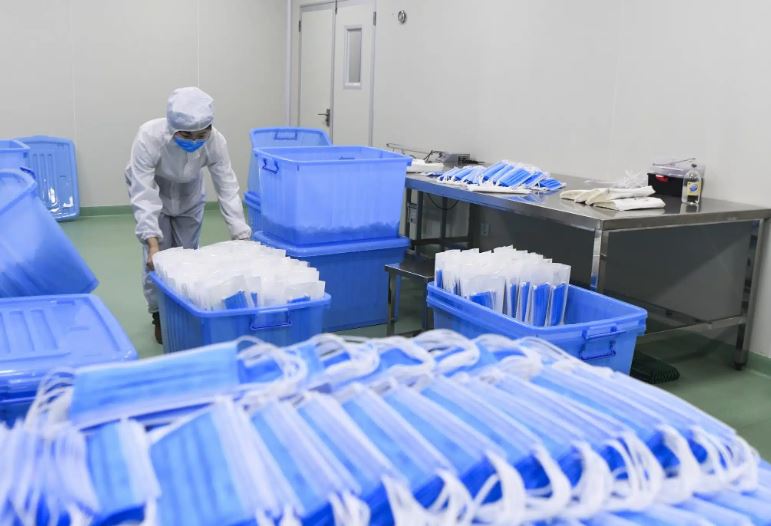
Private label facial mask manufacturers produce ready-to-brand skincare products that businesses can sell under their own brand name. These manufacturers handle formulation, sourcing, production, quality control, and often packaging, allowing brands to enter the market quickly without investing in their own manufacturing facilities.
Working with experienced private label facial mask manufacturers enables startups and established brands to focus on marketing, branding, and sales while relying on expert production capabilities.
Why Choosing the Right Manufacturer Matters
The manufacturer you choose becomes an extension of your brand. Poor-quality products, inconsistent batches, or compliance issues can damage customer trust and lead to costly setbacks. On the other hand, a reliable manufacturer ensures consistent quality, regulatory compliance, and the flexibility needed to scale your business.
Key Factors to Consider When Choosing a Manufacturer
1. Product Quality and Formulation Expertise
High-quality ingredients and proven formulations are essential in skincare. Look for manufacturers that:
- Use safe, skin-friendly, and dermatologically tested ingredients
- Offer a range of facial mask types such as sheet masks, clay masks, gel masks, and cream masks
- Provide formulation transparency and customization options
Reputable private label facial mask manufacturers should be able to explain ingredient sourcing and formulation benefits clearly.
2. Customization and Branding Options
Your brand identity sets you apart in a competitive market. Choose a manufacturer that supports:
- Custom formulations and ingredient variations
- Branding flexibility, including logo placement and packaging design
- Private label and white-label options based on your business goals
The more customization offered, the easier it is to build a unique product line.
3. Compliance and Certifications
Skincare products must meet strict regulatory standards. Ensure the manufacturer complies with relevant regulations such as:
- FDA guidelines (for the US market)
- EU Cosmetic Regulation
- ISO and GMP certifications
- Cruelty-free and vegan standards, if required
Reliable private label facial mask manufacturers prioritize compliance to protect both your brand and consumers.
4. Minimum Order Quantities (MOQs)
MOQs can significantly impact your startup or expansion strategy. Some manufacturers require large initial orders, while others offer low MOQs suitable for small businesses and product testing.
Select a manufacturer whose MOQs align with your budget, inventory strategy, and growth plans.
5. Production Capacity and Scalability
As demand grows, your manufacturer should be able to scale production without compromising quality or delivery timelines. Ask about:
- Monthly or annual production capacity
- Lead times for small and large orders
- Ability to handle sudden increases in demand
Scalable private label facial mask manufacturers support long-term business growth.
6. Quality Control and Testing
Consistent quality builds customer trust. A professional manufacturer should have strict quality control processes, including:
- Raw material inspection
- In-process quality checks
- Finished product testing
- Batch tracking and documentation
These measures help ensure product safety and consistency.
7. Communication and Support
Clear communication is often overlooked but crucial. Choose a manufacturer that:
- Responds promptly to inquiries
- Provides dedicated account management
- Offers guidance on formulation, packaging, and compliance
Strong communication reduces delays and misunderstandings throughout the production process.
Red Flags to Watch Out For
When evaluating private label facial mask manufacturers, be cautious of:
- Lack of certifications or regulatory knowledge
- Unclear pricing structures
- Limited transparency about ingredients or processes
- Poor communication or delayed responses
Identifying these red flags early can save time, money, and reputation damage.
Final Checklist Before Making a Decision
Before signing a contract, consider:
- Requesting product samples
- Reviewing client testimonials or case studies
- Confirming lead times and payment terms
- Understanding intellectual property and formulation ownership
A thorough evaluation ensures you select a manufacturing partner aligned with your brand values and business goals.
Conclusion
Choosing the right private label facial mask manufacturers is a foundational step in building a successful skincare brand. By focusing on quality, compliance, customization, scalability, and communication, businesses can form long-term partnerships that support growth and innovation.
With the right manufacturer, you can confidently bring high-quality facial masks to market and stand out in the competitive skincare industry.